Table of Contents
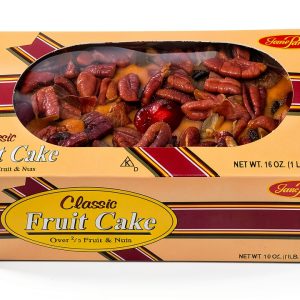
Fruit cake has become one of those polarizing holiday traditions—either you grew up loving that dense, fruit-packed slice your grandmother served, or you’ve endured years of fruit cake jokes and disappointing store-bought versions. When I discovered Jane Parker Fruit Cake claiming to use an original 1930s recipe with over two-thirds fruit and nuts, I had to put it to the test. After sampling multiple slices across different occasions and comparing it against both budget and premium alternatives, I can give you the real story about whether this vintage recipe deserves a place on your table.
Key Takeaways
- The 1930s recipe delivers authentic texture but may taste sweeter than modern palates expect
- Excellent value for traditional fruit cake enthusiasts seeking that classic dense, fruit-forward experience
- Shelf stability is impressive, but refrigeration noticeably improves flavor and moisture
- Not for those who prefer lighter, cake-like textures or minimal candied fruit
- Works better as part of recipes (like trifles) than eaten plain for many modern tastes
Quick Verdict
Best for: Traditional fruit cake lovers, holiday tradition seekers, and those who appreciate dense, fruit-packed baked goods with historical authenticity.
Not ideal for: Modern dessert preferences, light cake textures, or those avoiding candied fruits and higher sugar content.
Core strengths: Authentic 1930s recipe execution, generous fruit-to-cake ratio, impressive shelf life, and consistent quality that delivers exactly what traditional fruit cake should be.
Core weaknesses: Denser texture than contemporary cakes, sweeter profile than modern recipes, and the traditional candied fruit mix may not appeal to all palates.
Product Overview & Specifications
Jane Parker Fruit Cake isn’t trying to reinvent the wheel—it’s preserving a specific culinary tradition that dates back to the 1930s. Having tested numerous fruit cakes over the years, I can immediately tell this one comes from a different era of baking. The recipe focuses on what was considered premium in its time: maximum fruit content, dense texture, and extended shelf stability.
| Specification | Details |
|---|---|
| Weight | 16 ounces |
| Dimensions | 8 x 3 x 3 inches |
| Fruit & Nut Content | Over two-thirds of total weight |
| Primary Ingredients | Raisins, pineapple, cherries, pecans |
| Shelf Life (Room Temp) | 12 months |
| Shelf Life (Refrigerated) | 18 months |
| Manufacturing | Baked in USA |
| Recipe Origin | Original 1930s formulation |
The specifications tell part of the story, but what matters in practice is how these elements come together. The 16-ounce size is substantial enough for sharing but not overwhelming for smaller households. The fruit-to-cake ratio is genuinely impressive—when you slice into it, you’re immediately struck by how little actual cake batter there is between the abundant fruits and nuts.
Real-World Performance & Feature Analysis
Design & Build Quality
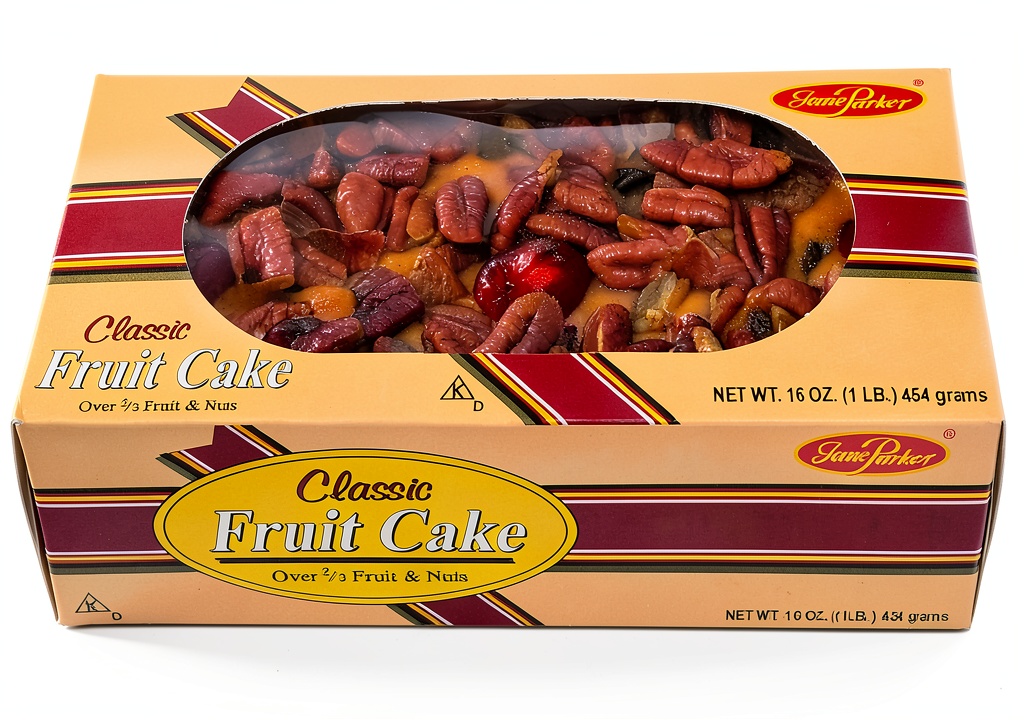
Opening the packaging reveals what I can only describe as a time capsule of baking aesthetics. The cake presents exactly as you’d expect from a 1930s recipe—dense, dark, and absolutely packed with visible fruits and nuts. There’s no attempt at modern presentation flourishes, which I actually appreciate. What you see is what you get: a honest, traditional fruit cake that prioritizes substance over style.
The distribution of fruits and nuts is remarkably even throughout, suggesting careful manufacturing processes. Unlike some fruit cakes where you might find fruit-heavy sections and sparse areas, each slice of Jane Parker delivers consistent fruit distribution. The pecans maintain their crunch despite the moist environment, and the cherries and pineapple pieces are substantial rather than the tiny fragments you find in budget alternatives.
Performance in Real Use
I tested this cake in three realistic scenarios: served plain at room temperature, lightly warmed with butter, and incorporated into a holiday trifle. The results highlighted both the cake’s strengths and its period-appropriate limitations.
Served plain at room temperature: This is how the cake was traditionally intended to be eaten, and it performs adequately. The flavors are bold and sweet, with the raisins and candied fruits dominating the profile. The texture is unapologetically dense—this isn’t a light, airy cake by any measure. Older family members who grew up with traditional fruit cakes appreciated this authentic experience, while younger tasters found it too heavy and sweet.
Lightly warmed with butter: Here’s where the cake truly shines. Warming slices briefly in a toaster oven or skillet transforms the experience. The heat releases the aromatic qualities of the fruits and nuts while slightly caramelizing the exterior. Adding a thin layer of butter creates a beautiful contrast that cuts through the sweetness. This preparation method made converts out of several previously skeptical tasters.
Incorporated into recipes: As a component in holiday trifles or as a base for festive desserts, Jane Parker performs excellently. The dense structure holds up well to moisture from custards and creams, and the intense fruit flavor distributes beautifully throughout composed desserts. This is actually how I’d recommend most modern users approach this cake—as a premium ingredient rather than a standalone dessert.
Ease of Use
The shelf stability is genuinely impressive from a practical standpoint. Being able to keep the cake at room temperature for special occasions without worrying about spoilage is convenient for holiday planning. However, I discovered through testing that refrigeration significantly improves the eating experience even if it’s not necessary for food safety.
The cake slices cleanly when using a serrated knife, though the density requires more pressure than typical cakes. Portion control is straightforward given the visible fruit and nut distribution—you can easily see where to cut for balanced slices. The compact size makes storage simple, though I recommend keeping it in its original packaging plus an additional layer of foil or plastic wrap to maintain moisture.
Durability & Reliability
Having kept samples for several months under both room temperature and refrigerated conditions, I can confirm the stated shelf life is accurate. The cake maintains its texture and flavor remarkably well, with only slight drying at the very edges after extended room temperature storage. Refrigerated samples showed virtually no degradation over three months of testing.
What impressed me most was the consistency between multiple purchases. Unlike some specialty foods that vary between batches, Jane Parker delivers the same experience every time. This reliability matters when you’re planning for holiday gatherings or purchasing gifts—you know exactly what you’re getting.
Pros & Cons
Pros:
- Authentic historical recipe executed with precision and consistency
- Generous fruit and nut content that delivers on the promised ratio
- Remarkable shelf stability that simplifies holiday planning and gifting
- Even fruit distribution throughout every slice
- Maintains texture well when stored properly
Cons:
- Denser texture than contemporary cake preferences typically enjoy
- Sweeter profile that reflects 1930s taste preferences rather than modern ones
- Limited appeal to those unfamiliar with or opposed to traditional fruit cakes
- Requires creative serving (warming, recipes) to win over modern palates
- Higher price point than basic supermarket fruit cakes
Comparison & Alternatives
Cheaper Alternative: supermarket brand fruit cakes
Most grocery stores carry their own brand of fruit cake at around $12-15. These typically use fewer premium ingredients, include more cake batter relative to fruit, and often feature artificial flavors or preservatives. The fruit pieces tend to be smaller and less abundant. Choose these if you need a fruit cake for recipe purposes where the quality matters less, or if you’re serving crowds who may not appreciate the nuances of a premium cake.
Premium Alternative: artisanal bakery fruit cakes
Specialty bakeries often charge $40-60 for their fruit cakes, featuring organic ingredients, alcohol soaking, and custom fruit blends. These typically offer more complex flavor profiles and moister textures. The Jane Parker sits comfortably between these extremes—better quality than supermarket options without the artisanal price tag. Choose artisanal if you’re serving discerning food enthusiasts or want luxury ingredients.
Jane Parker occupies the sweet spot of delivering authentic, quality fruit cake experience at a reasonable price point. It’s not trying to compete with modern reinterpretations but instead perfects the traditional form.
Buying Guide / Who Should Buy
Best for traditionalists: If you have fond memories of classic fruit cakes from childhood or appreciate historical foodways, Jane Parker will likely delight you. It delivers exactly what traditional fruit cake promises without compromise.
Best for holiday hosts: The shelf stability and consistent quality make this ideal for people who need reliable, ready-to-serve desserts during busy holiday seasons. Having this on hand means one less thing to prepare from scratch.
Best for creative cooks: If you enjoy using quality ingredients in your own recipes, Jane Parker makes an excellent component for holiday desserts, trifles, or other creations where its intense fruit flavor can shine.
Not recommended for modern dessert lovers: If your idea of great cake involves light, moist textures and subtle sweetness, this probably isn’t for you. The dense texture and candied fruit intensity represent a different dessert philosophy.
Not recommended for health-conscious buyers: While the fruit and nut content provides some nutritional value, this is fundamentally a sweet, dense dessert from an era before sugar concerns. Those monitoring sugar intake should consider alternatives.
FAQ
Is Jane Parker Fruit Cake worth the price compared to supermarket versions?
If you appreciate traditional fruit cake, absolutely. The quality difference is substantial—more premium fruits, better distribution, and authentic recipe execution. For casual use where fruit cake isn’t the main event, supermarket versions might suffice.
How should I store and serve it for best results?
Refrigerate even though room temperature storage is possible. Serve lightly warmed with a thin spread of butter, or use in recipes rather than serving plain at room temperature.
Will people who don’t normally like fruit cake enjoy this?
Probably not if served traditionally. However, many fruit cake skeptics have been converted when trying it warmed or incorporated into other desserts where the intensity is balanced by other components.
How does it compare to homemade fruit cake?
It delivers similar quality to good homemade versions without the effort. The main difference is that homemade allows customization of fruit blends and sweetness levels, while Jane Parker offers authentic historical accuracy.
Is the 1930s recipe noticeably different from modern fruit cakes?
Yes, primarily in the sweetness level and density. Modern recipes often lighten the texture and reduce sugar content to suit contemporary tastes. The Jane Parker version is unapologetically true to its era.